
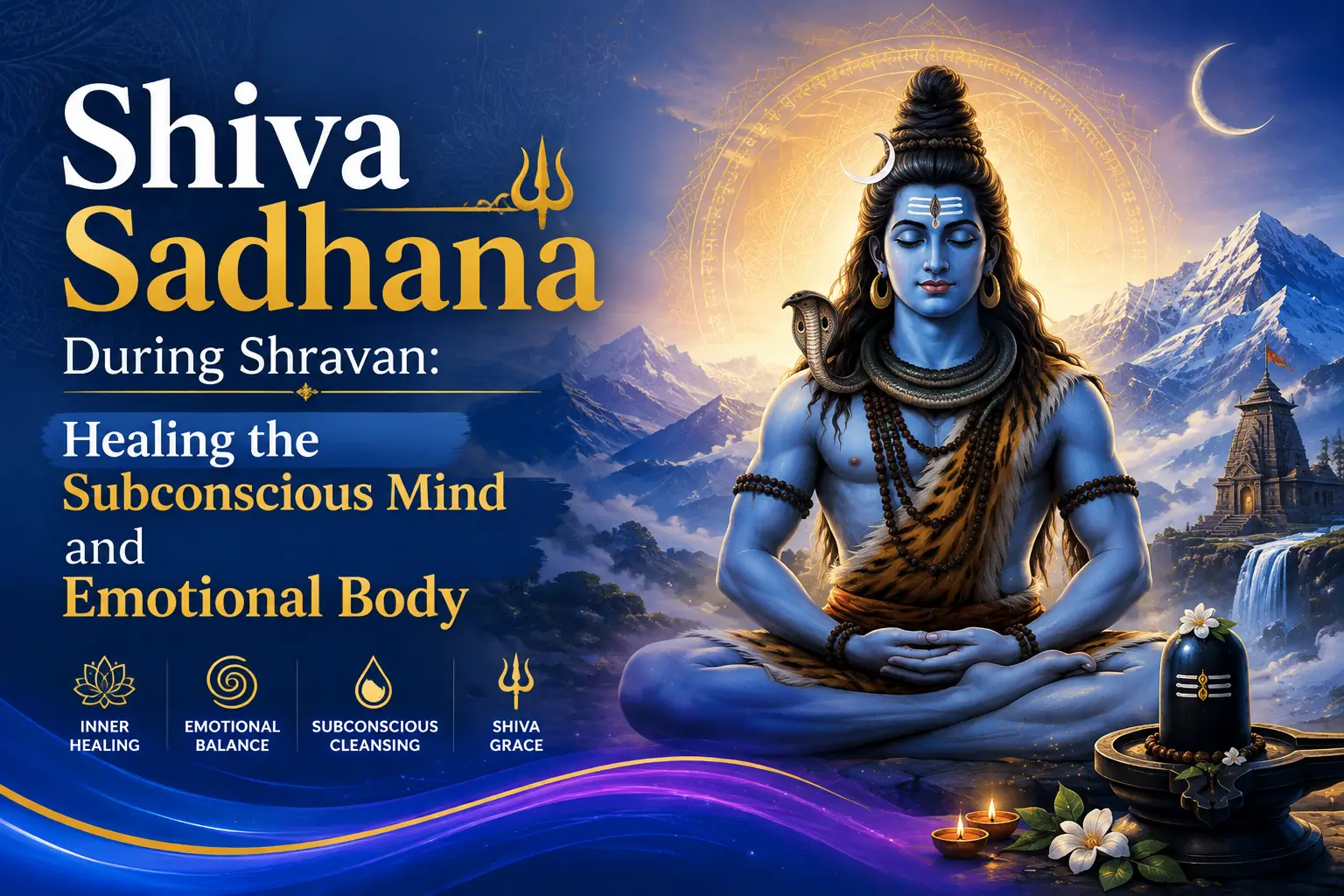
“Shiva Sadhana during Shravan offers a stillness that gives steady ground for healing the subconscious mind and emotional body. Lord Shiva is worshipped as the master and healer of the mind, and his presence supports this inner work.” — Rohit Ray Sharma
A quiet question often rises when the first monsoon clouds gather. Why does the mind feel more tender during Shravan? Why do old memories, small irritations, and buried feelings surface with more ease during these weeks? This experience is common, and it carries a real explanation rooted in astrology, scripture, and the rhythm of nature itself.
The Moon, the Mind, and the Monsoon
Vedic astrology places the moon as the ruler of the emotional body, and Shravan arrives at a point in the year when lunar influence grows stronger over daily life. This is why the mind feels softer during this season, more open, and sometimes more sensitive than usual. Old wounds that stayed quiet for months can rise gently to the surface, finally asking to be seen.
The subconscious layer of a person holds impressions built over years, shaped by unspoken grief, held-back anger, or disappointment that never found its full expression. During Shravan, the softened emotional field makes it easier for these impressions to loosen their grip, especially when supported by steady spiritual practice.
Astrologers who study this season often note that people become more prone to mood shifts and reflective thought during these weeks, and this pattern appears across different zodiac signs. A wise approach is to work with this shift and use the softened state as an opening for healing.
This is why Indian culture turns toward devotion during the rains. The season itself prepares the ground, and spiritual practice becomes the seed that grows within that readiness.
Why Is Shravan Dedicated to Lord Shiva?
Shravan is considered the most sacred month for the worship of Lord Shiva because it is closely associated with the ancient story of Samudra Manthan, the churning of the cosmic ocean. A well-known story from ancient tradition describes the churning of the cosmic ocean, an event that produced both treasures and a deadly poison capable of destroying all existence. Lord Shiva accepted that poison into his own throat, holding it there without letting it spread further, and this act of restraint became one reason devotees offer cooling water to him throughout Shravan.
This story holds a lesson for anyone carrying difficult emotion. The poison in the story can be seen as the intensity that rises from within: anger that has waited to be spoken, fear that never found safety, old sadness that never received attention. Just as Shiva held that poison without being destroyed by it, a person can learn to hold strong feelings with steadiness, letting them move through the body and mind and find release instead of building up further.
Lord Shiva is the master of the mind because his nature represents pure stillness beneath all mental activity. Thoughts, emotions, and memories rise and pass, yet something within remains unmoved by their motion. The offering of water becomes more than ritual in this light, since it turns into a quiet process of healing the mind and emotions through the universal energy that flows down upon the crown. Each pour of water carries the intention of cooling inner conflict and confusion, allowing thoughts that feel tangled or heavy to slow down and settle. It becomes a symbolic act of asking the excess intensity stored within, whether anger, grief, or fear, to soften and release its grip on the day. Through this simple act, a person invites the same steadiness that Shiva embodies into ordinary life, letting calm awareness replace restless thought.
The Cosmic Timing That Supports Inner Work
Shravan takes its name from the Shravana nakshatra, a lunar star linked closely with listening and inward attention. The full moon of this month aligns with this star, and Vedic tradition regards this alignment as especially supportive of reflection, prayer, and quiet self-observation.
This is a season where planetary movement favors turning inward, and the pull toward outer distraction naturally softens. Many astrologers describe Shravan as sitting within Chaturmas, a four-month period traditionally kept for devotion and reduced worldly expansion. During this window, cosmic energy is considered gentler toward introspective work, making meditation and prayer feel natural and unforced.
Sitting quietly with a question, without rushing toward an answer, is itself a form of Shiva Sadhana. The cosmic timing of Shravan makes such reflection feel supported, because the wider rhythm of the season moves in the same direction as inner stillness.
Natural Symbolism That Speaks Without Words
Rain carries its own teaching during this season. It symbolizes wisdom, healing, and freshness that arrives after the ego softens on the spiritual path, much like the quiet renewal that follows a difficult inner transformation. Rain heals the earth and every tree it touches, and it becomes water for all living beings without asking anything in return. Dry, hardened soil softens under monsoon water, and seeds that stayed dormant through the heat finally sprout and reach toward the light.
The same pattern plays out within a person whose mind has grown rigid through months of pressure, deadlines, and unspoken strain. Just as parched earth waits quietly for rain, the mind carries feelings that stay buried until the right conditions allow them to rise. Steady practice during Shravan softens that rigidity, and this gentle loosening allows old, buried feelings to surface and finally find release, much like a seed breaking open after a long season of waiting
True surrender works similarly, asking the ego to lower itself before something larger and let go of pride and control. This abundance mirrors what becomes possible within the emotional body when it receives steady, gentle attention. Emptiness that once felt permanent can be filled again, slowly, through patience extended over the length of the season.
 The Wisdom and Meaning of Shiva’s Stillness
Every symbol connected to Lord Shiva carries a teaching that goes far beyond a simple story. These symbols act as a map for the soul, guiding the way from the noise of the world toward absolute liberation.
The Power of Absolute Stillness
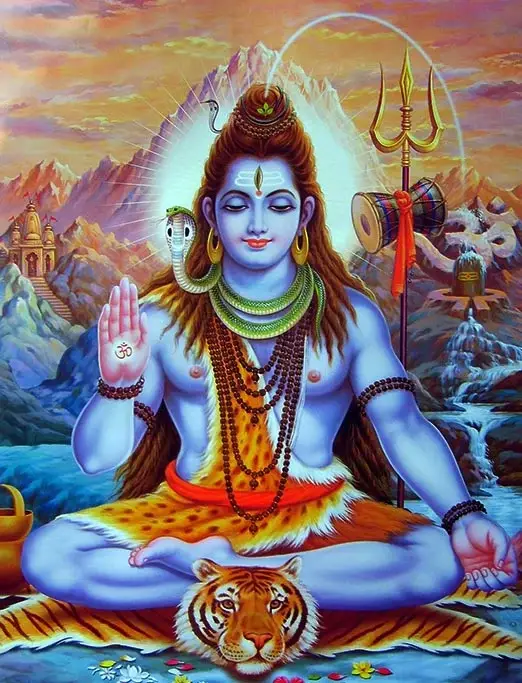
Shiva is often seen sitting in deep meditation on Mount Kailash. His eyes are half-closed and his body is completely calm, undisturbed by anything happening around him. This posture reveals a deep truth about consciousness. It shows that beneath every thought, emotion, or passing experience, there is a silent awareness that never moves and never changes.
This stillness is not about being lazy or running away from life. It is the state of a mind that has stopped chasing every desire or reacting to every problem. Instead, the mind rests in its own true nature. Shiva’s form teaches that peace is not something to search for in the outside world. It already exists within you, waiting to be noticed once the noise of the mind settles down.
The Moon and the Mind
The crescent moon on Shiva’s head is a mirror for the human mind. Thoughts and emotions rise and fall constantly, just as the moon waxes and wanes. By wearing the moon, Shiva shows that awareness must guide the mind, rather than letting the mind rule the person.
When Shiva accepted the burning poison from the ocean, the coolness of the moon helped calm that fire. This same coolness is available to soothe the soul whenever emotions grow too intense. The moon also marks mastery over time. While the lunar cycle mirrors the changing moods of life, Shiva remains the constant, unmoved observer behind every phase.
Grace Flowing Through the Crown
The river Ganga flows gently from the crown of Shiva’s head. In the study of energy, this top point is the highest center of the head. This flowing water represents pure grace and knowledge pouring into the mind, purifying it the same way water cleanses the body.
There is a deeper lesson here about the nature of awakening. The Ganga does not stay trapped at the crown but flows downward to nourish the entire earth. In the same way, true spiritual realization does not stay locked away in meditation. It flows outward into daily thoughts, speech, and actions. Awakening is only complete when its grace reaches every part of ordinary life.
The Third Eye and the Truth
Between the eyebrows sits a third eye. It stays closed most of the time, yet it can release a powerful fire when it opens. This eye does not see physical objects the way the two physical eyes do. It sees the truth directly, without the confusion created by desire, ego, or illusion.
When this third eye opens, it burns away whatever is false. This includes pride, attachment, and the small lies the mind tells itself to stay comfortable. This fire is not meant to destroy, but to clear the path. The disappearance of illusion always makes room for something more real to appear. A sudden moment of clarity, where a long-held misunderstanding simply falls away, is a small taste of this power.
Meditation as a Natural State
Shiva is called the Adi Yogi, the first and greatest meditator. This title points to a beautiful truth: Shiva is not just a figure who meditates, but meditation itself given a form. Every image of Shiva in meditation shows what a fully settled mind looks like once it has stopped grasping at the world.
Meditation is not a separate technique borrowed from the outside. It is the most natural state the mind can return to. Just as breathing happens without effort, deep stillness is the original condition of consciousness. It is simply covered over by restless thoughts. Sitting in meditation is not about achieving something new, but about remembering what was quietly present all along.
The Language of Silence
While prayer is a way of speaking toward the divine, meditation is a way of listening. This listening is the true language of Shiva. Silence is not empty or passive. It is full, alive, and complete, holding more truth than words could ever carry.
This is why seekers, after years of reading and questioning, eventually find their deepest answers in quiet sitting. Shiva’s silence teaches that some truths cannot be explained, only experienced. The deepest communication with the self happens when the mind finally stops talking long enough to listen.
A Simple Practice for Shiva Sadhana During Shravan
Healing the subconscious mind during Shravan does not require an elaborate routine. Small, steady actions carried out consistently through the month tend to matter more than occasional intense effort. Consider building a practice around these simple steps:
-
Begin each morning with a few quiet minutes before checking messages or beginning work.
-
Offer plain water on the Shiva Linga with attention, even if only mentally.
-
Repeat a short Shiva prayer, mantra, or stotram, or listen to Shiva music and sacred sound.
-
Spend time in nature, near rain or moving water when possible, letting the senses connect directly with the season.
-
Keep meals lighter on one day each week, giving the body space alongside the mind.
These steps ask for consistency, and small, steady effort tends to carry more lasting benefit than sudden intensity. This gentle approach fits naturally with a season that already favors softness over force.
10 Benefits of Shiva Sadhana During Shravan
Shiva Sadhana during Shravan is believed to carry benefits that touch the mind, the body, and the deeper self, since the entire month is considered spiritually charged with heightened divine energy.
-
Deep mental peace and emotional stability. Regular prayer, meditation, and mantra chanting during Shravan gradually calm the mind, and this steady calm helps a person respond with more patience instead of reacting emotionally to daily situations.
-
Multiplied spiritual merit. According to the Shiva Purana, any act of devotion performed during Shravan yields results many times greater than the same practice performed in another month, making even simple worship feel deeply meaningful.
-
Relief from planetary difficulties. Sincere Shiva worship during this month is said to reduce the unfavorable effects of malefic planetary influences, including Shani dosha and other challenging transits, bringing a sense of protection and ease.
-
Better physical health and vitality. Devotees often notice visible improvement in health during this period, and disciplined practices such as fasting are believed to support the body’s natural detox process and strengthen overall well-being.
-
Karmic purification. Fasting, prayer, and sincere worship during Shravan are described as burning away accumulated negative karma, clearing obstacles, and opening space for peace and steady progress in life.
-
Stronger willpower and self-discipline. The practice of Shravan Somvar fasting builds inner control and helps a person manage cravings and impulses, and this discipline naturally carries over into other areas of daily life.
-
Improved concentration and clarity of mind. Chanting, meditation, and consistent devotion during this season sharpen focus and reduce restlessness, leaving the mind clearer for both spiritual reflection and everyday responsibilities.
-
Harmony in relationships and family life. Many devotees observe better understanding and reduced friction at home during and after this period of worship, along with blessings for a stable and harmonious married life.
-
Progress toward spiritual liberation. Tradition holds that devoted worship of Shiva during Shravan moves a soul closer to moksha, the ultimate release from repeated cycles of struggle, by purifying the gross body, the subtle mind, and the deeper soul together.
-
Support for career, prosperity, and life goals. Devotees frequently report that sincere Shiva Sadhana during this month helps remove blockages related to career, business, and finances, opening a smoother path toward personal and professional growth.

Rohit Ray Sharma is a spiritual awakening coach in India helping conscious professionals and seekers find greater clarity, purpose, and self-awareness. His work draws on the wisdom of India’s Shakta and Shiva traditions, with a focus on Sri Vidya, spiritual awakening, consciousness, self-realisation, and inner transformation. Book a one-to-one spiritual awakening session to begin your journey toward greater clarity and purposeful living.
- Rohit Ray Sharma

- Rohit Ray Sharma
- Rohit Ray Sharma
- Rohit Ray Sharma